Overview of the Kawa Model
Four simple components of a river are used to represent a person’s state of well-being in the context of the (physical, social, and ambient) environment. The 4 elements (water, rocks, driftwood, and riverbanks) work together to tell the story of the person’s everyday life experience.
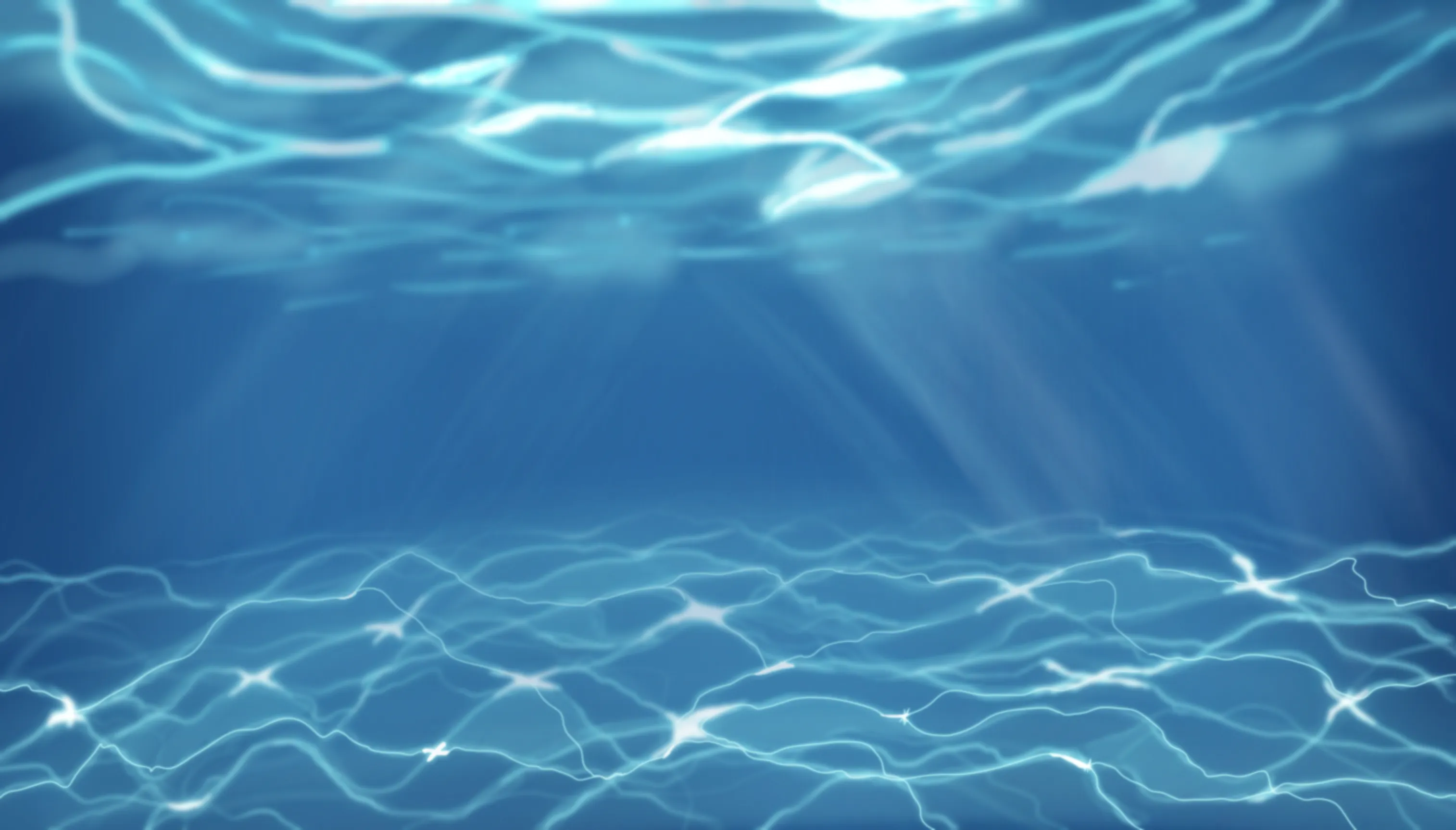
Water
Water is the most important element of a river. In the Kawa Model, water symbolizes life flow, energy, and for some occupational therapists.
The characteristics (width, depth, and speed) of the river is determined by surrounding river elements (rocks, driftwood, and riverbanks). The spaces between these river elements form the key positive points where there is potential for greater flow.
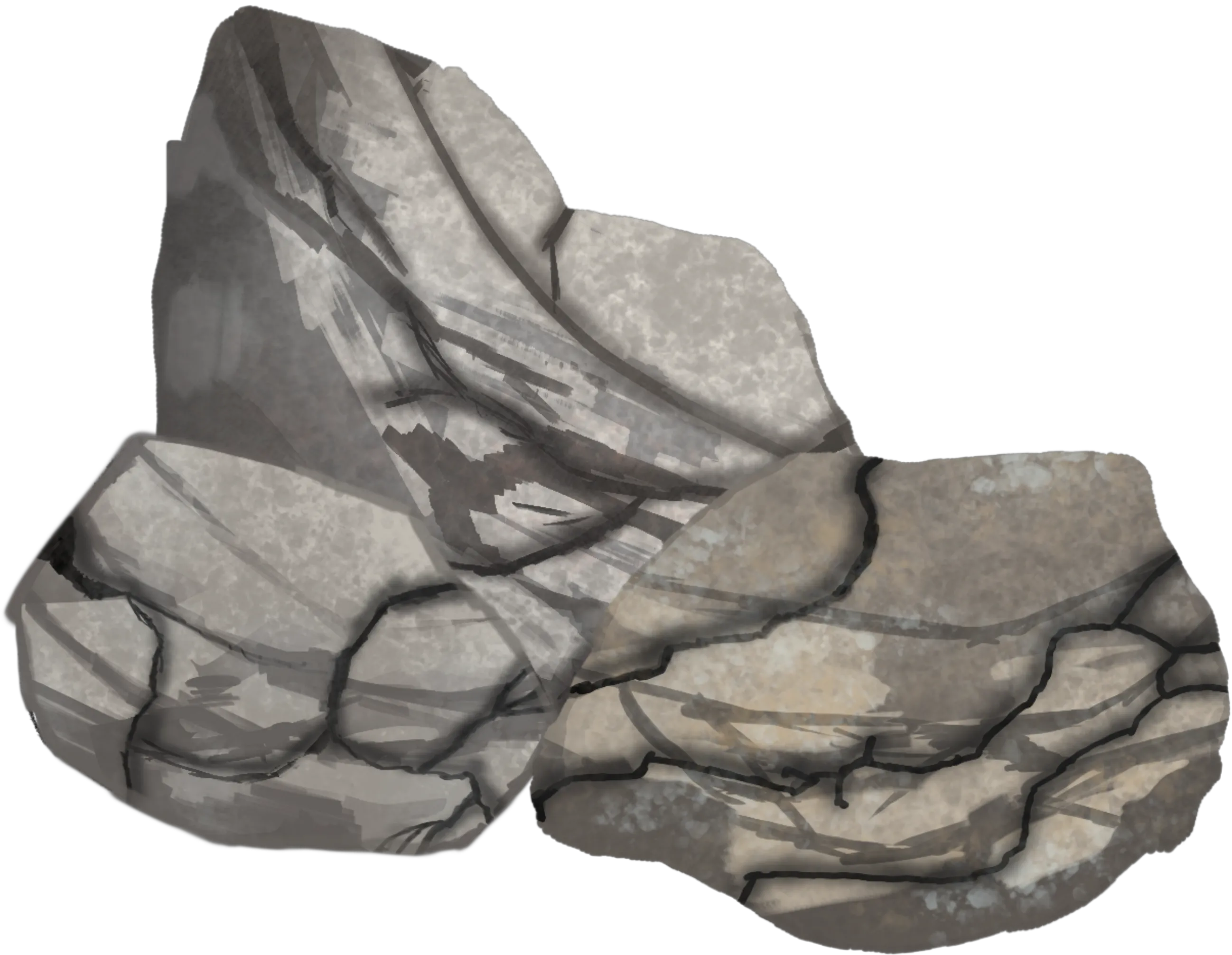
Rocks
Rocks of different size, shape, and number can significantly affect the state and flow of a river. In the Kawa Model, rocks represent life challenges, difficulties, and problems that act as barriers and blockages to life flow.
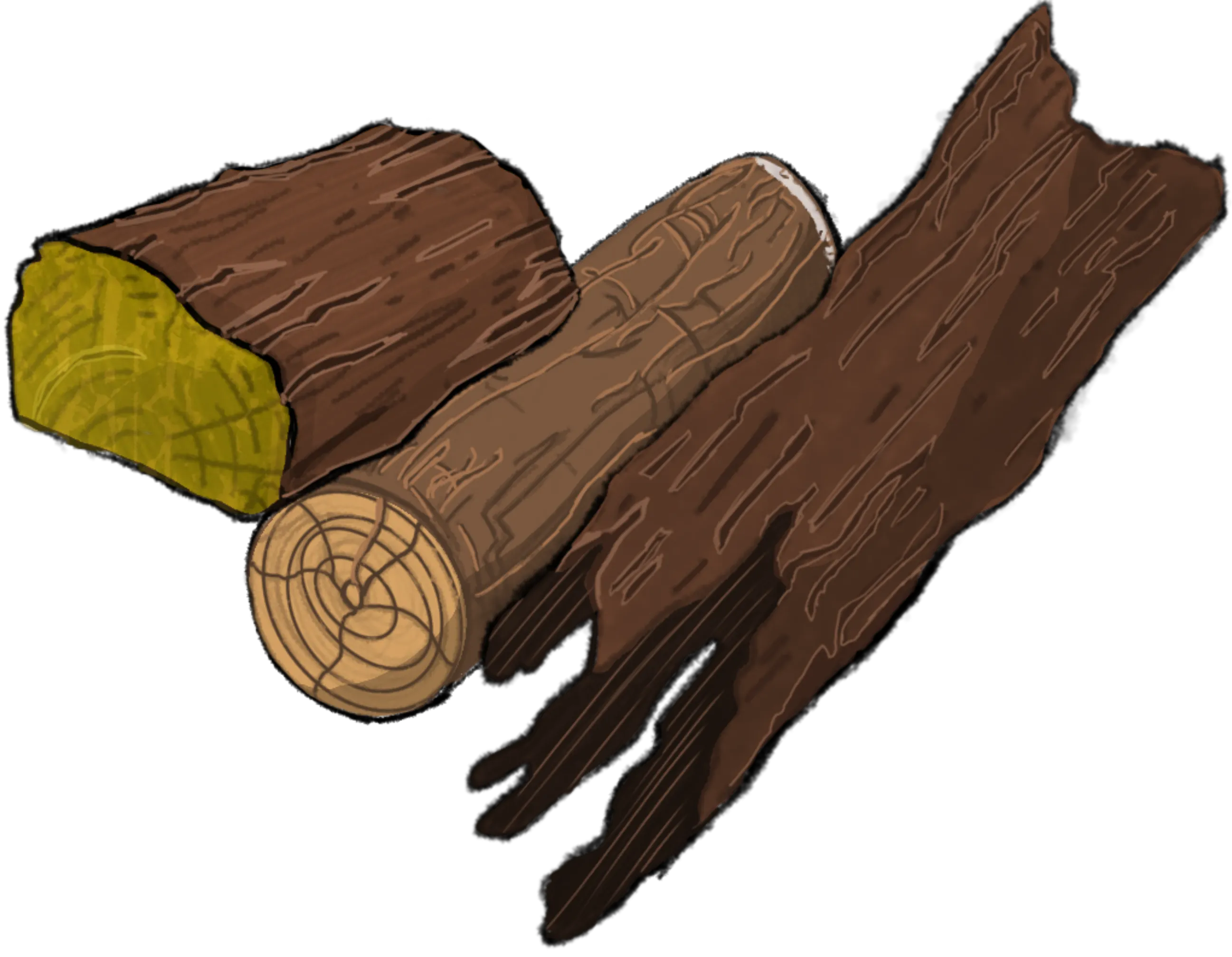
Driftwood
Driftwood represents personal factors and attributes that can have a positive, neutral, and/or negative influence on the river’s flow. “Neutral” driftwood can be seen to float on top of the water without any consequences. However, the same driftwood can have a negative effect on the river by increasing blockage to the flow by settling against other structures (rocks, riverbanks, and other driftwood). Conversely, driftwood can have a positive effect on the river’s flow by colliding with or eroding the surfaces of rocks and riverbanks, which can create and restore greater channels of flow.

Riverbanks
Model represent the environment. This includes the physical, social, and ambient environments that enable all rcomponents of the river to connect. When environmental conditions are problematic, the walls thicken and constrain the water flow. When environmental conditions are good, the walls become thinner and expand the river’s water capacity. The riverbanks are divided into 2 layers. The closer layer to the water contains the person’s physical and social environments. The farther layer contains factors and events that occur in the ambient environment.